
We set time aside each day to help emergency cases
Beenleigh Marketplace Dental put time aside each day to help with emergency cases.
The difference between a dental concern and an emergency is: the difference between an aesthetic problem and a painful one. For example, a dental concern is a chipped, crooked or cracked tooth that doesn’t hurt. If you crack or chip your teeth and it hurts, this may be a sign of a bigger problem, in which case, you should seek help as soon as possible.
Probably the most common dental emergency is a loss of an adult tooth. Obviously, a child losing milk teeth is most likely not a cause of concern—however, this can depend on how the tooth is lost.
If you have lost a tooth the best thing to do is: pick it up by the crown (do not touch the root) and clean it in water or milk. Don’t scrub the tooth and don’t remove any tissue fragments. Transport the tooth in either a milk or in your mouth to help keep it alive for longer. If you can get to the dentist within half an hour of losing the tooth there is a greater chance of the tooth surviving.
Whether a dental crown has come loose, a cracked tooth is causing you pain, or you’ve lost a tooth, Beenleigh Marketplace Dental will do our best to accommodate you in your dental emergency. Beenleigh Marketplace Dental is dedicated to helping maintain your teeth for as long as possible—if you are in pain, don’t think it’s ok, contact us today.
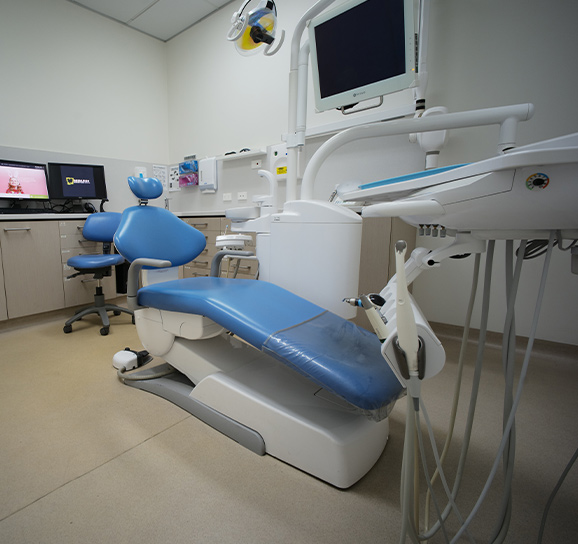
Dental pain can be overwhelming and stressful, especially when it comes on suddenly. That’s why our team aims to offer same-day emergency appointments whenever possible. From the moment you contact us, we focus on getting you comfortable, understanding what’s causing the problem, and relieving pain quickly and safely. Our priority is to stabilise the issue first, then talk you through the next steps clearly and calmly.
Dental emergencies can be frightening, but you’re in experienced hands at Beenleigh Marketplace Dental. Our dentists take a practical, conservative approach—addressing the immediate issue while aiming to protect your natural teeth wherever possible. We explain your options in plain language, answer your questions honestly, and make sure you feel supported throughout your visit, even if treatment needs to continue over more than one appointment.
Dental emergencies require immediate attention and include the following:
These situations should be addressed promptly by a dental professional.
A dental emergency is any situation that requires immediate attention from a dental professional to save a tooth, stop bleeding, or alleviate severe pain. This can include severe toothaches, knocked-out teeth, cracked or fractured teeth, lost fillings or crowns, abscesses, loose teeth, severe gum pain or bleeding, and objects stuck between teeth causing pain. These emergencies often indicate underlying issues that, if left untreated, can lead to more severe complications. Seeking prompt treatment is crucial to prevent further damage and relieve discomfort.
If you knock out an adult tooth, it’s crucial to act swiftly. Handle the adult tooth by its crown, avoiding touching the root, and rinse it gently with milk or saline solution if it’s soiled or contaminated. If possible, try to reinsert the adult tooth into its socket, ensuring it’s facing the right way, and hold it in place by gently biting down on a clean cloth or gauze. If you can’t reinsert the tooth, keep it moist by placing it in milk or saliva. Seek immediate dental care, ideally within 30 minutes of the injury, to increase the chances of saving the tooth. Use a cold compress to reduce pain and swelling, and follow your dentist’s instructions for further treatment, which may include splinting the tooth or root canal therapy.
To manage a severe toothache at home, begin by rinsing your mouth with warm saltwater to help reduce inflammation and cleanse the area. Over-the-counter pain relief like ibuprofen can offer temporary relief from discomfort. Applying a cold compress on the outside of your cheek may also help to minimise swelling and numb the affected area. Be sure to avoid foods that are hot, cold, or sugary, and keep the area as clean as possible. While these measures can provide temporary relief, it’s important to visit Beenleigh Marketplace Dental promptly, as a severe toothache may indicate a more serious condition that requires professional care.
If a dental filling falls out, it’s crucial to act quickly to safeguard the exposed tooth. Start by rinsing your mouth with warm water to cleanse the area. To protect the tooth temporarily, you can use sugarless gum, dental wax, or over-the-counter dental cement. Be sure to avoid chewing on that side and contact Beenleigh Marketplace Dental right away to schedule an appointment to replace the filling.
Here’s what to do in common dental emergencies:
In all cases, contact a dentist as soon as possible. If severe issues arise and you can’t reach a dentist, go to the emergency room.
It’s important to seek help for a dental emergency as soon as possible. Delaying treatment can lead to more severe complications and may affect the outcome of treatment. If you’re experiencing a dental emergency, such as severe pain, a knocked-out tooth, or a cracked tooth, contact your dentist immediately. At Beenleigh Marketplace Dental, we set aside time each day to accommodate emergency cases, so don’t hesitate to reach out—we’re here to take care of you.
If your dental crown becomes loose or falls out, it’s important to act quickly to prevent further damage. First, carefully retrieve the crown and avoid chewing on the affected tooth. You can try to place the crown back on the tooth temporarily using a small amount of toothpaste as an adhesive. This can help hold it in place until you can visit us at Beenleigh Marketplace Dental. However, do not use regular glue or any non-dental material, as it can cause more harm.
For emergency dental care, contact our office immediately so we can schedule an appointment to properly reattach your crown and prevent any further damage to the underlying tooth.
If you have a broken dental implant, it’s important to seek emergency dental care immediately to prevent further complications. Try to avoid applying pressure to the affected area, especially when chewing, and if possible, refrain from using the implant until we can assess the damage. Contact Beenleigh Marketplace Dental as soon as possible to arrange an appointment for a thorough evaluation.
In the meantime, if you experience pain, over-the-counter pain relievers (as directed) may help alleviate discomfort. Depending on the severity of the break, we will provide guidance on repairing or replacing the implant. In some cases, a new dental crown may be required to restore the implant’s function and appearance.
If you lose a filling or crown, take these steps:
Managing a lost filling or crown promptly can help prevent further damage to your tooth and minimise discomfort. Emergency dental care is essential to ensure the restoration is replaced correctly.
If you have a cracked or broken tooth, follow these steps:
If your dental crown becomes loose, it’s important to avoid chewing on that side to prevent further complications. You can use over-the-counter dental cement or toothpaste to temporarily secure the crown, but be sure to avoid using superglue or other household adhesives. It’s essential to book an appointment with your dentist at Beenleigh Marketplace Dental as soon as possible to have the crown properly reattached or replaced. In the meantime, keep the area clean and be mindful while eating or drinking to ensure the crown doesn’t become dislodged further.
To manage pain during a dental emergency, consider these steps:
These are temporary measures; see a dentist as soon as possible for proper treatment.
Yes, there are a few home remedies that can provide temporary relief during a dental emergency. If you experience a toothache, rinsing your mouth with warm salt water can help reduce swelling and disinfect the area. Applying a cold compress to the outside of your cheek can alleviate pain and swelling from a dental injury. For a knocked-out tooth, keeping it moist in milk or saliva until you can see a dentist is crucial. However, these remedies are not substitutes for professional dental care. It’s important to visit a dentist as soon as possible to address the underlying issue. At Beenleigh Marketplace Dental, our team is equipped to handle dental emergencies and provide the necessary care to ensure your oral health.
Swelling in the mouth, gums, or jaw can be a common result of a dental emergency and could indicate an infection or damage that requires professional attention. To help reduce the swelling temporarily, apply a cold compress to the outside of your cheek near the swollen area — this can help alleviate discomfort and reduce inflammation. Provided there are no allergies, you can alternate between Nurofen (ibuprofen) and paracetamol to help manage the swelling and pain. Avoid applying heat, as it may exacerbate swelling in some cases. It’s important to seek professional treatment immediately, as untreated swelling can lead to more serious issues, including infection or abscess formation. We’ll assess the situation promptly and provide the necessary treatment to address the underlying cause of the swelling.
We look forward to welcoming you to Beenleigh Marketplace Dental.

| Monday | 8:30am to 5:00pm |
| Tuesday | 8:30am to 5:00pm |
| Wednesday | 8:30am to 5:00pm |
| Thursday | 9:30am to 7:00pm |
| Friday | 8:30am to 5:00pm |
| Saturday | 8:30am to 1:00pm |