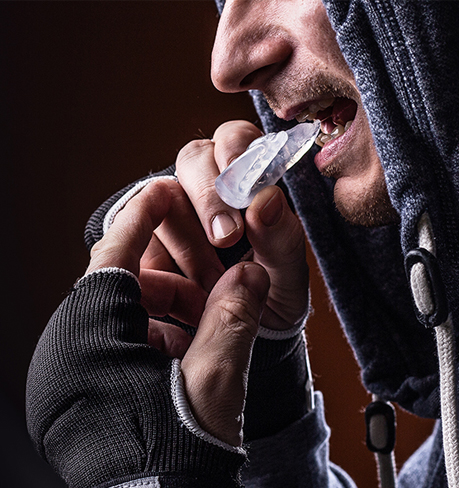
Depending on your situation, there are different options to treat cracked teeth.
Cracked tooth syndrome is one of the most difficult diagnoses in dentistry. It refers to tiny cracks in the tooth enamel that are usually too small to be seen in a standard x-ray. They can occur anywhere on the tooth – including under the gums, making them even more difficult to discover. These cracks occur most often in the lower back teeth which is where most of the forces of chewing are exerted. While cracks can go undetected for a while, they can also cause sharp pain when biting, just after biting, when drinking cold beverages, or when eating or drinking sugary substances. The pain may also be more generalised, mimicking sinusitis, headaches, ear pain or facial pain.
There are several things that can cause cracked tooth syndrome. Grinding, clenching, and ice chewing over extended periods of time can cause extensive damage to the teeth, with cracks being a common result. Other things that can lead to cracked teeth include isolated incidents such as accidentally biting with force into a pit or bone within fruit or meat, or an accident that affects the teeth. Teeth with heavy restorative work are more susceptible to cracking. Some genetic factors may also make one more susceptible to cracked teeth.
Treatment for this condition will depend on a variety of factors. The location of the crack (whether it is above or below the gum line) will have an important impact on how the tooth is treated. Cracks occurring near the top of the tooth – at the cusp, may be treated with application of a crown, while cracks occurring near the root may need to be extracted.
About 20 percent of cracked teeth will require a root canal. Because of the difficulties in finding these tiny cracks, initial treatment may not be fully effective in halting the pain and the tooth may require further treatment.If you would like to know more about cracked tooth syndrome, or to book an appointment, please contact us.

Dr Jason Tung and the team at Beenleigh Marketplace Dental offer a range of treatments to help you maintain and restore good oral health.
Beenleigh Marketplace Dental offers emergency dentistry to help you receive the care you need; when you need it.
If you’ve been experiencing pain in your teeth, gums or jaws but you can’t see any problem; it is time to visit the dentist.
If you are unhappy with the look of your teeth, you have a number of options; including dental veneers, teeth whitening and dental crowns.
If you have two or more issues, see how we can help by answering just a few simple questions!
The optimal treatment for cracked tooth syndrome depends on the severity of the crack and the specific circumstances. Potential treatments include dental bonding, crowns, or root canal therapy for less severe cases, while more severe cracks might necessitate extraction. Splinting, pain management, and adjustments to habits can also play a role in managing symptoms. Regular dental checkups are crucial for early detection and personalised treatment recommendations. Consulting a dentist is essential to determining the best course of action based on individual factors and the extent of the crack.
Cracked tooth syndrome can affect any tooth, but it is most commonly observed in molars, which are the large flat teeth at the back of the mouth used for grinding food. This is because molars bear the brunt of the chewing forces and are more likely to develop cracks due to their function. Additionally, teeth with large fillings, previous restorations, or those subjected to significant wear and tear might also be more susceptible to developing cracks. However, any tooth can potentially experience cracked tooth syndrome, and the severity of the crack can vary widely. If you suspect you have a cracked tooth or are experiencing symptoms, it’s important to consult a dentist for proper evaluation and guidance.
Cracked tooth syndrome results from factors such as excessive chewing forces on hard objects, trauma, teeth grinding (bruxism), large fillings, temperature changes, age-related wear, and habits like biting non-food objects. This condition involves the development of small cracks or fractures in the teeth, particularly affecting molars due to their chewing function and teeth with prior dental work. Diagnosing cracked tooth syndrome can be complex, as symptoms like pain during chewing and temperature sensitivity might be present without visible cracks. Consulting a dentist is crucial for accurate diagnosis and personalised treatment based on the specific circumstances.
We look forward to welcoming you to Beenleigh Marketplace Dental.
| Monday | 8:30am to 5:00pm |
| Tuesday | 8:30am to 5:00pm |
| Wednesday | 8:30am to 5:00pm |
| Thursday | 9:30am to 7:00pm |
| Friday | 8:30am to 5:00pm |
| Saturday | 8:30am to 1:00pm |